Automate Nightwater
Stop punching every tree. Pipe harvesters into chests and let the island work while you explore.
Nightwater’s pitch is not “punch 10,000 trees.” It is “punch trees until a machine can punch them for you.” Official features call this out directly: more than 60 buildings, farmers, assemblers, storage, and complex pipe systems, with no build limit and full refunds when you deconstruct. If you stay in melee with the forest, you are playing the tutorial on loop.
This guide is the factory layer. Pair it with buildings, crafting, and Getting Started.
The smallest working line
A complete early line is three pieces:
- Producer — wooden harvester on trees, or primitive rock crusher on stone/clay/ore.
- Pipe — primitive pipe, short range, low throughput. It moves items between inventories; it is not a Satisfactory belt you can snake for a kilometer.
- Buffer — primitive chest. Playthroughs show chest capacity 30 versus harvester 20. The chest exists because the machine fills up and idles if you never empty it.
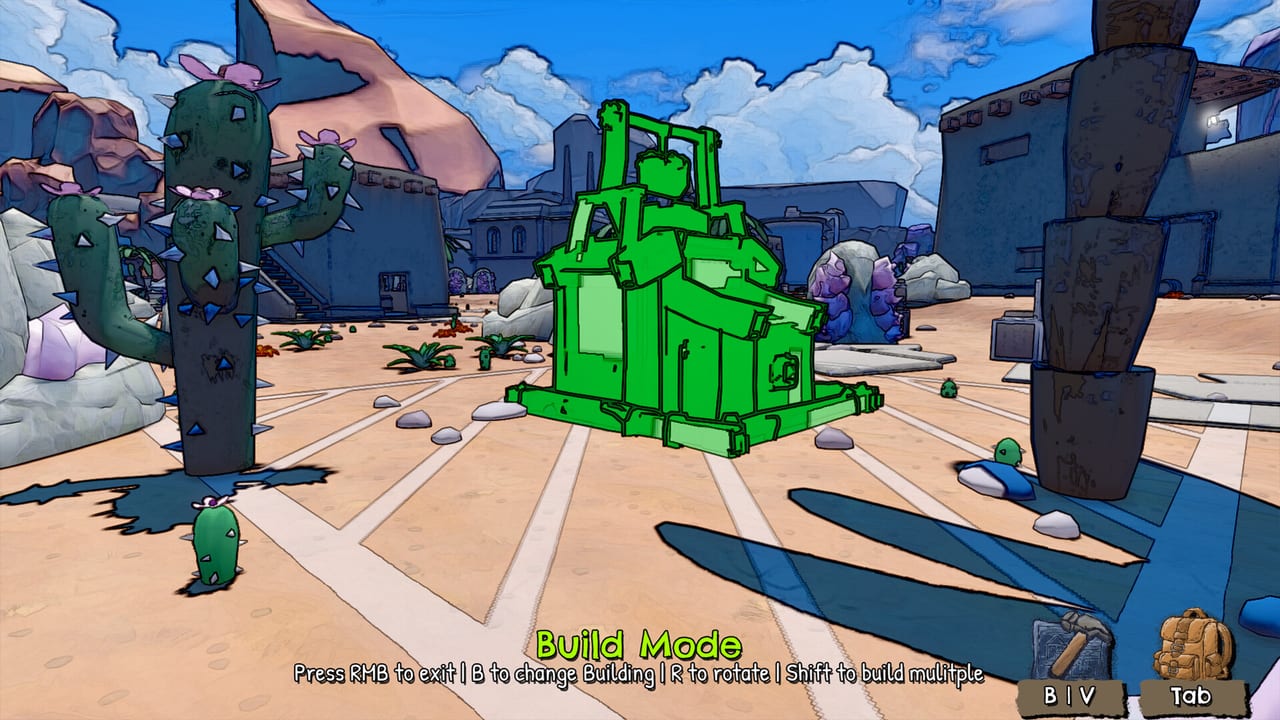
Place the harvester first, then the chest within pipe range, then the pipe. If the hologram in build mode (bright green outline on the ground) will not snap, you are out of range or missing a craft. Pipes in current builds cost oil and gears. If you cannot make a pipe, you are missing a crafted input, not a secret keybind. See resources.
Why Nightwater automation feels different
Creators comparing the demo to Factorio are slightly wrong. There are no kilometer-long conveyor spaghetti screens in the footage. Nightwater uses short pipes between machine inventories, plus radius harvesters that vacuum a patch. It plays closer to a 3D Forager that grew a plumbing layer, or to early Satisfactory if you only built miners and storage.
That is a design choice, not missing content. The island is small, biomes are manifested in chunks, and the developer wants you to leave the factory to play minigames. Long belts would fight that loop.
Rebuild without fear
Studio Ashty repeats this in every feature list: deconstruct or move any building at any time with zero loss of items or resources. Use it.
Bad first layouts are normal. Players plant a harvester facing the void, pipe into a chest that blocks the next radius, then panic. Pick the buildings up. Re-cluster them on the densest node. You are supposed to experiment.
Build mode’s green hologram is your friend in desert and forest alike. If the hologram clips a rock, rotate or shift a few steps. There is no permanent tax.
Assemblers, farmers, and the rest of the 60
Once primitive lines run, milestone bars start paying out assemblers (auto-crafters for simple recipes at low speed) and farmers for plant resources. Playtests also surfaced a primitive plant former and a squeezer. Treat those names as demo-era labels: the important idea is “machine that converts A into B while you are elsewhere.”
Prioritize in this order unless a milestone bar disagrees:
- Harvest the raw node you are currently gated on (wood, then stone/clay).
- Buffer it (chest).
- Auto-craft the bottleneck (planks, gears).
- Only then automate luxury or minigame feeds.
The buildings tier list ranks early machines by how much time they save. A second wood harvester is usually worth more than a pretty but idle assembler.
Throughput and radius
Harvesters have a small radius. Standing in a grove, you can often punch a wide cone yourself; machines are pickier. Place them in the thickest cluster, not on the edge “for the view.”
Pipes have low throughput. One pipe from one harvester to one chest is the intended first graph. If a chest starves, add a second producer rather than wishing for a faster pipe. Later ages should introduce stronger connections; the demo will not show the industrial endgame.
Let the factory run during minigames
The UI says it out loud: your machines continue to operate while you are away. Dark Thicket is the intended use of that time. Chop minigame trees, buy skill upgrades, return to a full wood chest. If you enter the Thicket with empty producers, you wasted the feature. Load the buffers first. Details: minigames.
Ages and what “industrial” should mean
The store page promises sticks and stones → Bronze Age → Industrial Era → future tech. The demo lives in the first clause. Do not expect nuclear reactors. Do expect each age to raise the same three verbs: harvest, craft, pipe.
When launch hits on 18 September 2026, come back to this page. Until then, mastery means a Woods island where you never punch a tree unless you want to.
Troubleshooting
- Pipe will not craft. Check oil and gears. Gears often need clay.
- Harvester idle with trees nearby. Inventory full; add a chest. Or the trees are outside radius.
- Crusher not grabbing clay. Reposition; radius is small.
- I dismantled a building and lost stuff. That would contradict the published design. Double-check you are not dropping items from a chest inventory onto the ground.
- I want a friend to help belt. Nightwater is single-player. There is no shared factory.
Next: crafting for recipe gates, biomes for where new nodes spawn after you manifest land, and the demo guide if you are still deciding whether to wishlist.
Frequently Asked Questions
Quick answers to the most common questions.
How do I automate wood in Nightwater?
Unlock the wooden harvester, place it on a dense grove, craft a primitive chest and primitive pipe, and connect them. Details are in this guide and on buildings.
Do I lose resources if I move a building?
No. Official features promise deconstruct and move with zero loss. Rebuild freely.
Are there conveyor belts?
Early gameplay uses short primitive pipes between inventories, not long Factorio belts. Throughput is low; place machines close.
Should I automate before the Dark Thicket?
Yes. Machines keep running during minigames, so a loaded wood line makes the Thicket a bonus instead of a stall.